
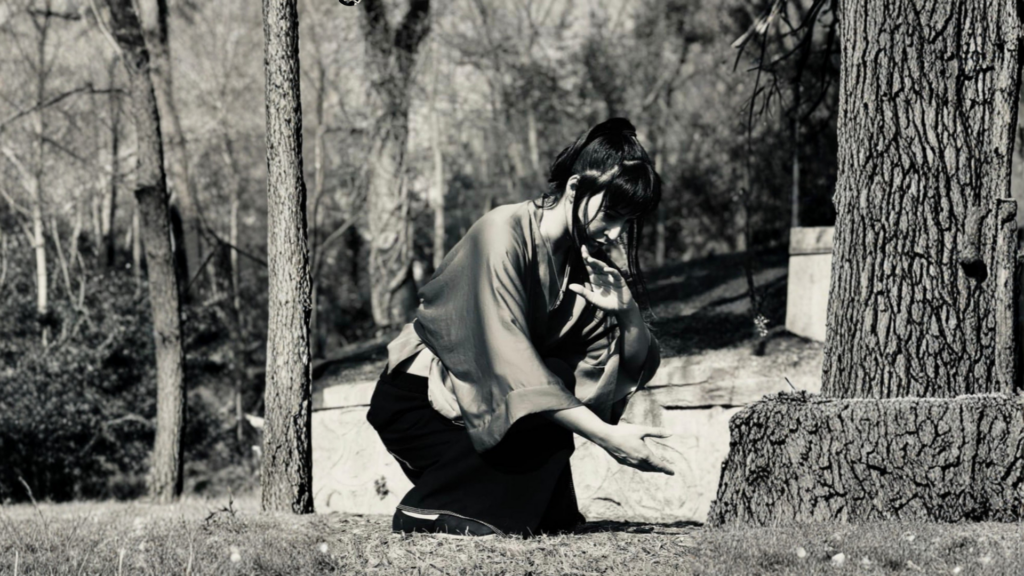
Let’s examine step-by-step the content of this workshop, which is a practical application of the hypothesis presented in my book, “Persephone: Master of Two Worlds.”
Let’s examine step-by-step the content of this workshop, which is a practical application of the hypothesis presented in my book, “Persephone: Master of Two Worlds.”
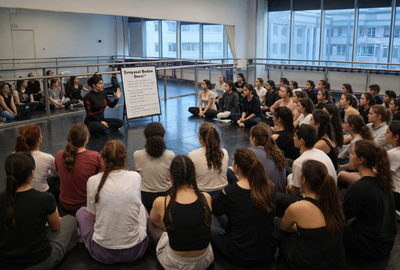
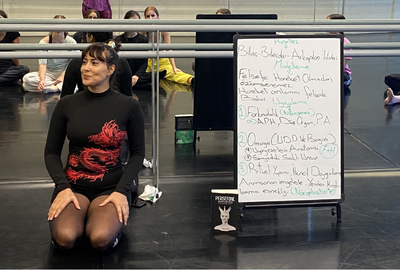
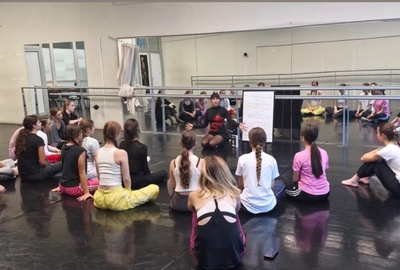
The Alchemical Body Workshop: A human development institute aiming to ignite the potential of the soul.
How does it do this? The carefully prepared physical and cognitive practices aim to stimulate a neurobiological effect, producing new brain and motor cells through the brain’s neurogenesis function – in other words, increasing your awareness.
The program is divided into three stages: a) Theory Tree, b) Practice and Application, c) Ritual Making.
a) Theory Tree: I call this part the cognitive reassessment tree. This section aims to explain how I arrived at my hypothesis from data I obtained from generally accepted scientific and philosophical information, not my own personal data.
The hypothesis of my book is about how consciousness, the unconscious, and background feelings work together.
Modeling this Hypothesis: Philosophy cannot be assimilated without movement; movement finds its meaning in philosophy. Therefore, the hypothesis is brought to the testing ground through applications that combine philosophy and movement.
Application of this Modeling: This section explains what background feelings are, what perceptual perception is, how to use Kant’s dream organ, and how secondary feelings and remembered images serve as materials for redefining certain concepts. Then, practical exercises are conducted to help participants better understand these concepts in practice.
Background Feelings: According to Antonio Damasio, background feelings, unlike emotions—for example, goal-oriented feelings like fear or love—refer to general bodily states such as peace or tension. These feelings constitute background states that constantly influence our mental atmosphere, even though we are not directly aware of them.
Perceptual Perception: The difference between the perception of an object through the senses and its representation in the world of feelings means that the subject finds representations of two separate things in what they are looking at. I call this awareness and use of this second perception Perceptual Perception. This dual awareness is not limited to the object; we also see it when looking at people, situations, events, memories, or a dream about the future. In other words, we teach ourselves to see with the dream organ what we perceive with our senses.
Dream Organ: This definition, belonging to Schopenhauer, refers to our ability to mentally recreate traces, remnants, and a second, retrospective view of what once existed. The unconscious actually does this in dreams, and what it does in dreams, it also does during the day. If you can perceive and use this in both aspects, I call it Perceptual Perception. The scientific reason for this is that the system in the brain that designs dreams selects its material from what we perceive with our five senses, but defines it with the dream organ, that is, with background feelings.
b-) Practice and Application; In this section, both physical and cognitive applications are demonstrated to help the participant better understand and internalize each concept mentioned in the theory tree. Techniques that will help the participant design their own ritual in the next stage are given in this section.
c-) Ritual Making; The concept of “ritual” mentioned in the workshop is not an ethnic or local practice that first comes to mind. This involves creating a schedule of cognitive and physical practices that individuals list to help them redesign themselves, organizing them over days, weeks, and months. In this way, participants are taught “how to design their own ritual” and “how to implement it.”
Simyasal Beden Atölyesi: Ruhun potansiyelini ateşlemeyi amaçlayan bir insan gelişim enstitüsüdür.
Peki bunu nasıl yapar? Özenle hazırlamış olduğum bedensel ve bilişsel uygulamalar nörobiyolojik bir etki uyandırarak, beynin nörogenez özelliği aracılığıyla, yeni beyin ve motor hücrelerinin üretilmesini amaçlar, bir diğer adıyla farkındalığınızı artırmayı amaçlar.
Program üç aşamaya ayrılır; a-) Teori ağacı, b-) Pratik Ve Uygulama, c-) Ritüel Yapımı
a-) Teori Ağacı; Bu kısma ben, bilişsel yeniden değerlendirme ağacı diyorum. Bu bölüm, hipotezimi dayandırdığım bilimsel ve felsefi şahsıma ait olmayan genel geçer bilgilerden elde ettiğim verilerden nasıl hipotezime ulaştığımı anlatmayı amaçlar.
Kitabımın hipotezi; bilinç, bilinçdışı ve arka plan hislerinin nasıl ortak çalıştığına dair bir hipotezdir.
Bu Hipotezin Modellemesi; Felsefe hareket olmadan özümsenemez, hareket anlamını felsefede bulur. Yani hipotez felsefe ve hareketin birleştirildiği uygulamalarla deneme sahasına iner.
The Application of this Modeling section explains what background feelings are, what perceptual perception is, how to use Kant’s dream organ, and how secondary feelings and remembered images are materials that help redefine certain concepts. Then, practical exercises are conducted to help participants better understand these concepts in practice.
Background Feelings: According to Antonio Damasio, background feelings, unlike emotions—for example, goal-oriented feelings like fear or love—refer to general bodily states such as peace or tension. These feelings constitute background states that constantly influence our mental atmosphere, even though we are not directly aware of them.
Perceptual Perception: The difference between the perception of an object through the senses and its definition in the world of feelings means that the subject finds representations of two separate things in what they are looking at. I call this awareness and use of the second perception Perceptual Perception. This dual state of awareness is not limited to the object; we also see it when looking at people, situations, moments, memories, or a dream about the future. In other words, we teach ourselves to see with our dream organ what we perceive with our senses.
Dream Organ: This definition, belonging to Schopenhauer, refers to our ability to mentally recreate traces, remnants, and a second, retrospective view of something that once existed. The unconscious actually does this in dreams, and it does what it does in dreams during the day as well. If you can recognize and utilize this in both aspects, I call it Perceptual Perception. The scientific reason for this is that the system in the brain that designs dreams selects its material from what we perceive with our five senses, but defines it with the dream organ, that is, with background feelings.
b-) Practice and Application; In this section, both physical and cognitive applications are demonstrated to help the participant better understand and internalize each concept mentioned in the theory tree. Techniques that will help the participant design their own ritual in the next stage are given in this section.
c-) Ritual Making; The concept of “ritual” discussed in the workshop is not, at first glance, an ethnic or local practice. It is a process of organizing and structuring a list of cognitive and physical practices—times, weeks, and months—to help individuals redesign themselves. In this way, participants are taught “how to design their own ritual” and “how to implement it.”